People before products. It sounds obvious but it’s one of the most difficult mental shifts to make in the world of innovation. Innovators get excited about their innovations. We get excited about the change we are going to make in the world. It can seem so clear that “people” will love what we are doing. Our innovation is going to help “everyone”. That’s not how the world works, and this edition of “Timely Innovations” is going to be a showcase of some innovators that started with specific people and the innovations they created with those specific people in mind.
Robots With a Human Touch
When Ory Yoshifuji was a kid he spent 3.5 years stuck at home
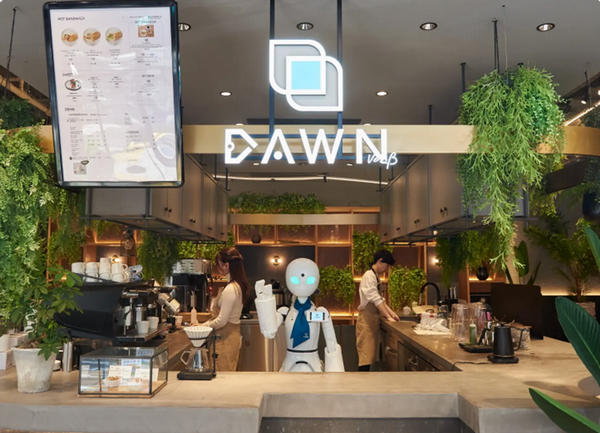
due to an illness. The experience made him imagine ways that he could get out in the world even when his body didn’t cooperate. In 2021 he opened Dawn Café as an expression of that imagination. The café is staffed by robots. Not automatons, these robots are
piloted by, “disabled workers who are clocking in from home.” The 100 or so pilots
love it, “’My first impression was that I am able to return to society,’ Naoki said. ‘Now that I work like this, the joy of it is more prominent. I enjoy my days together with the customers. The way I feel … has changed completely.’” Yoshifuji hasn’t stopped with the café either. He “has since expanded the OriHome offerings to include a mobile robot that guests can take with them to carry around Tokyo
for a personalized tour of the area.” It’s inspiring to see Yoshifuji’s childhood dream go on to empower so many others.
The Right Response
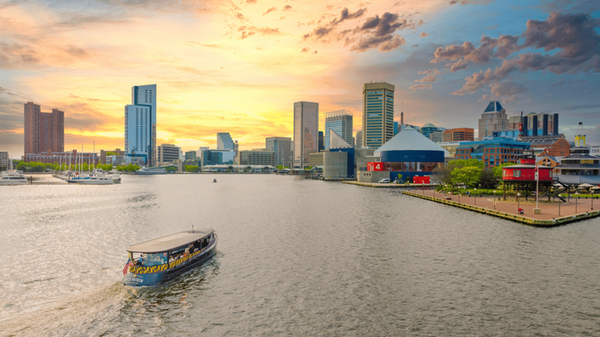
Let’s come a bit closer to home. The City of Baltimore took a good long look at the
1.68 million 911 calls they get a year and realized
something profound, “tens of thousands of them didn't require traditional emergency services, like police, firefighters, or EMTs, according to
Tahir Duckett, an expert in community safety at Georgetown Law. Instead, the calls were about, for example, a homeless person who fell asleep in a store, a person who seemed confused in a public park, and someone who was yelling at passersby on the street. Such calls ‘don't require a badge, a gun, and handcuffs to resolve,’ Duckett said”. Now, with funding from “
opioid-related legal settlement money”, a much wider variety of services will be available to 911 callers, including mental health services. Now, when Baltimore citizens call in, they are much more likely to get the kind of help they and their community need.
The Power of Local
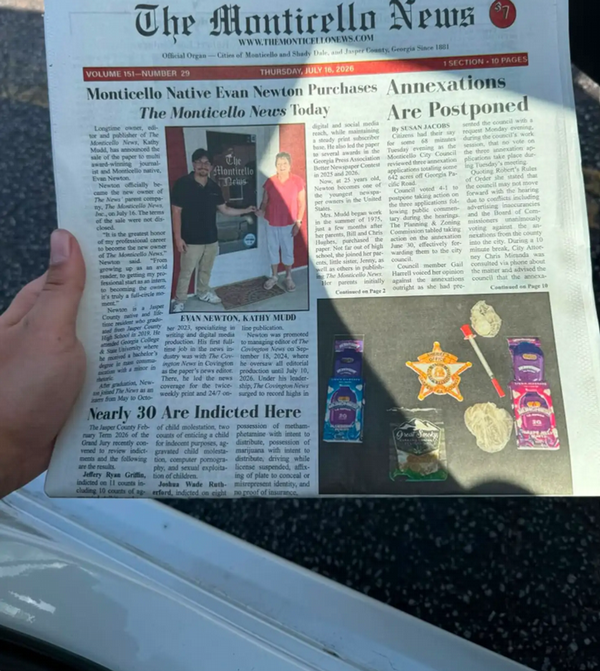
Our last story is even closer to home! Evan Newton, a native-born son of Monticello, Georgia, has
just purchased his hometown paper, The Monticello News. He is 25. Why did he do this?
He will tell you, “Local ownership is so important in community journalism. I think that local ownership aspect is what drives a larger trust in local media as opposed to the mainstream media… Our readers can find me at the grocery store or see me at a local event and ask questions or talk about what’s happening around town. You don’t get that with a large ownership group.” Before purchasing the paper, Newton worked as an intern for the then owner, Kathy Mudd, who purchased it from her parents in the 90’s after working at the paper herself. Newton is keeping that local-first mindset with his plans for the paper, including more community-based stories, local sports, and making the reading experience more interactive. This sounds like a developing story to keep tabs on.