Democratizing Botox, Gambling and AI
What do botox, gambling, and AI all have in common? It sounds like the start of a bad joke, but the reality is that over the past few years, each has become an incredibly common part of our lives. In this “Timely Innovations” we take a look at how this has happened and how innovators might look to respond to these previously niche or taboo topics.
The Optimism Economy
Photo credit: SDBotox Austin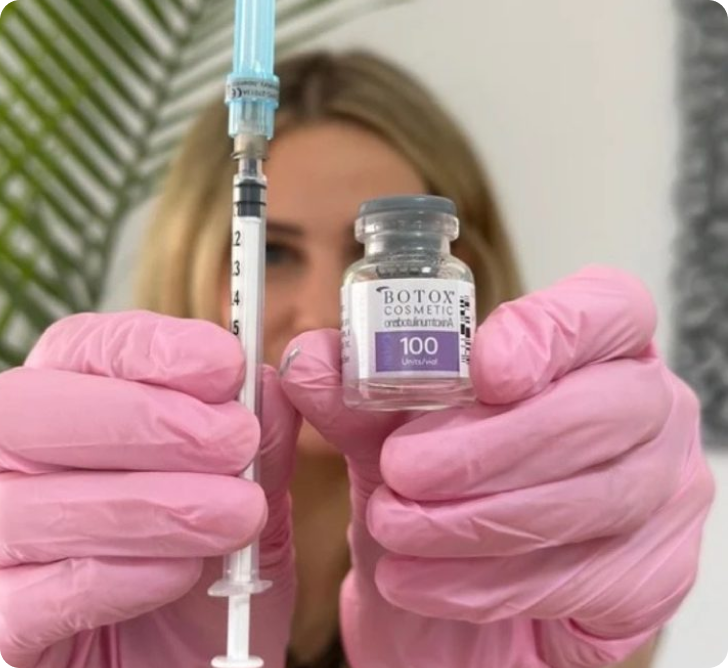
Allow us to throw some wild stats at you. Global cosmetic procedures increased by 40% between 2019 and 2023 for a whopping total of 34.9 million procedures done in 2023. Millennials spend, on average, $2,670 per year on cosmetics and aesthetic procedures per year. Gen Z is right behind them with an average annual spend of $2,408. The estimated CAGR of Botox in the United States is just under 10% between 2025 and 2033. Just in case you were imagining women as the drivers of these trends, note that prescriptions for finasteride (a common hair loss prevention drug for men) tripled between 2017 and 2024. We are living firmly in an age where people are spending wildly on medical and quasi medical (cosmeceutical) interventions to improve their looks that were taboo a decade ago. Falling drug costs, reality television, buy now pay later mechanisms, and staring at ourselves on Zoom, have all coalesced into a widespread and growing body modification frenzy. Oh, and we haven’t even mentioned GLP-1s. For many people, the optimization trend isn’t stopping with deep work, sleep schedules, and gut biomes. We can’t just be our best selves; we need to look like our “best selves”. Are there productive ways to join this trend? Are there people on this train who are looking for innovative off-ramps? It’s a fascinating place to explore.
Betting on Everything
Photo credit: BettorEdge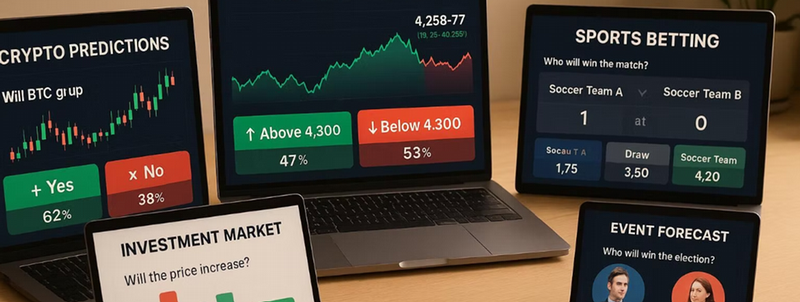
Speaking of waves, it’s hard to ignore the tsunami of legalized gambling we are experiencing. In the past few months our society has hit a new gear as we moved from ubiquitous sports gambling to “prediction markets” that allow us to gamble on anything. Companies like Polymarket and Kalshi don’t like to position themselves as casinos, preferring to focus on their ability to tell us the future through the wisdom of the crowd. The London Business School and Yale recently put that claim to the test. Would you like to bet on what they found? “only the 3.14 percent of users showed a predictive ability exceeding random chance, allowing them to capture over 30 percent of the available profits. Meanwhile, a little over two-thirds of all players were net losers.” Basically, prediction markets are gambling for 97% of people. The other 3% are likely holders of insider information. Those aren’t great odds.
Building Atlanta's AI Future
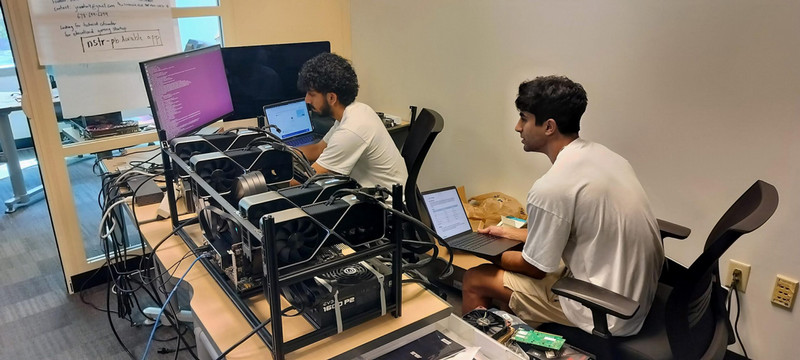
Photo credit: Hypepotamus
Let’s wrap up with some Atlanta innovators who are making it easier for Atlantans to ride another megatrend. ATDC has just opened North Star AI Labs. The goal, according to Entrepreneur-in-Residence James Harris is to make, “help, hardware, and talent” accessible to Atlanta founders. “The space is part physical, part digital. The physical component functions like a mini data center, as ATDC has acquired a server hub where entrepreneurs can actually test and iterate on an idea without needing a massive budget or enterprise tech contracts. This decreases costly barriers to entry for tech entrepreneurs looking to test out proprietary ideas.” Sounds like it’s time for a tour!