Slow Innovation
This edition of "Timely Innovations" is all about smoldering innovation, innovation that takes time and continuous effort. At any given moment, it's hard to tell what is going on, and then, all of a sudden, a meaningful leap is made. We will start with one of the oldest human activities: farming.
Farming Meets AI Precision
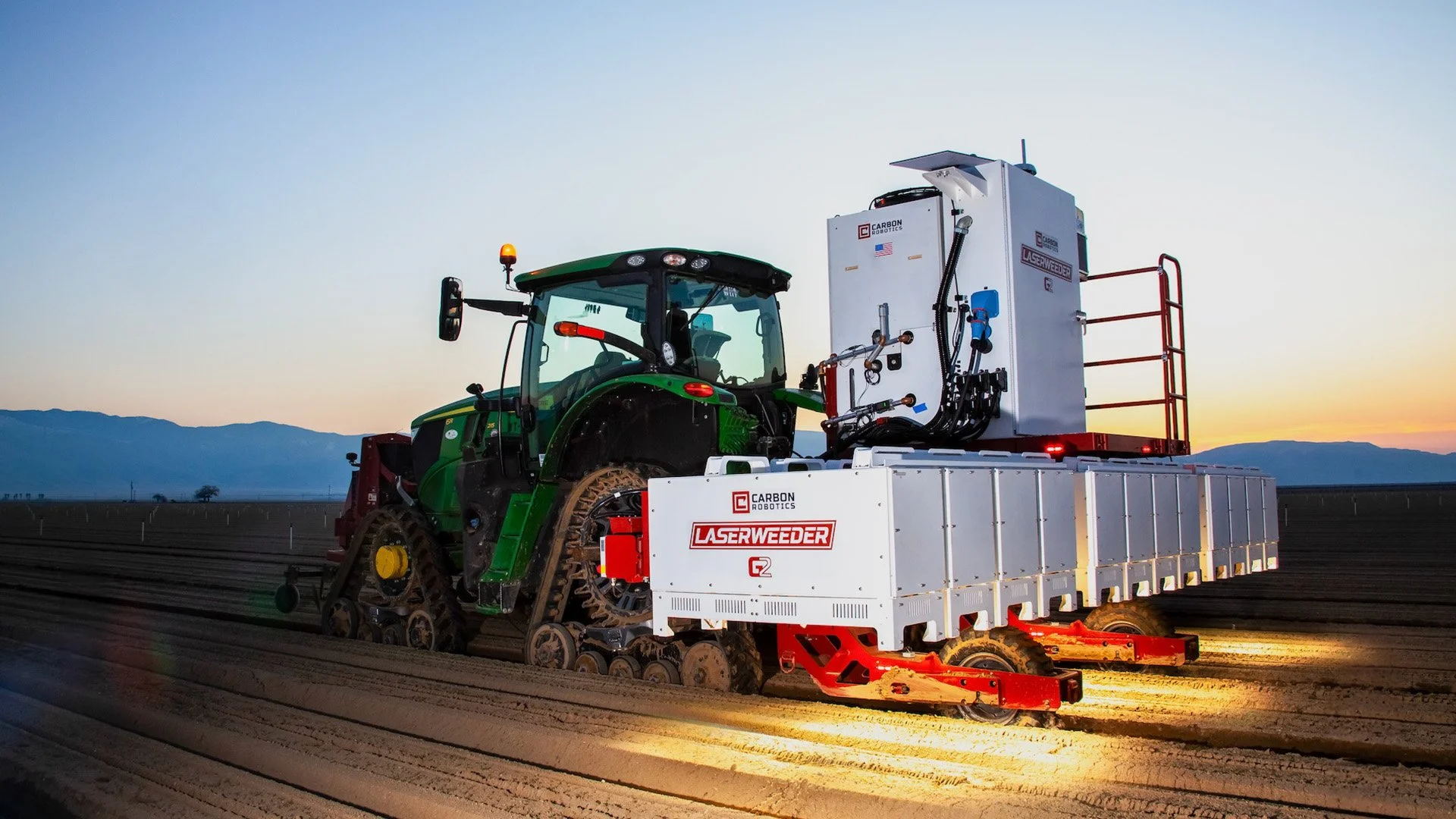
A big leap is on the horizon with this ancient profession. Carbon Robotics just released its Large Plant Model. This is an AI model that will allow laser-equipped robots to zap weeds in fields. Farmers already utilize robotic machines for watering and harvesting. What this allows them to do is cut back on pesticide use. Instead of blanketing a field with chemicals that will only kill the desired plants (but still gets onto and into the plants we want to eat), autonomous equipment will be able to kill weeds chemical-free with precision. Perhaps your tomatoes will start coming with "Robot Raised" stickers.
A Historic Case That Could Reshape Biotech
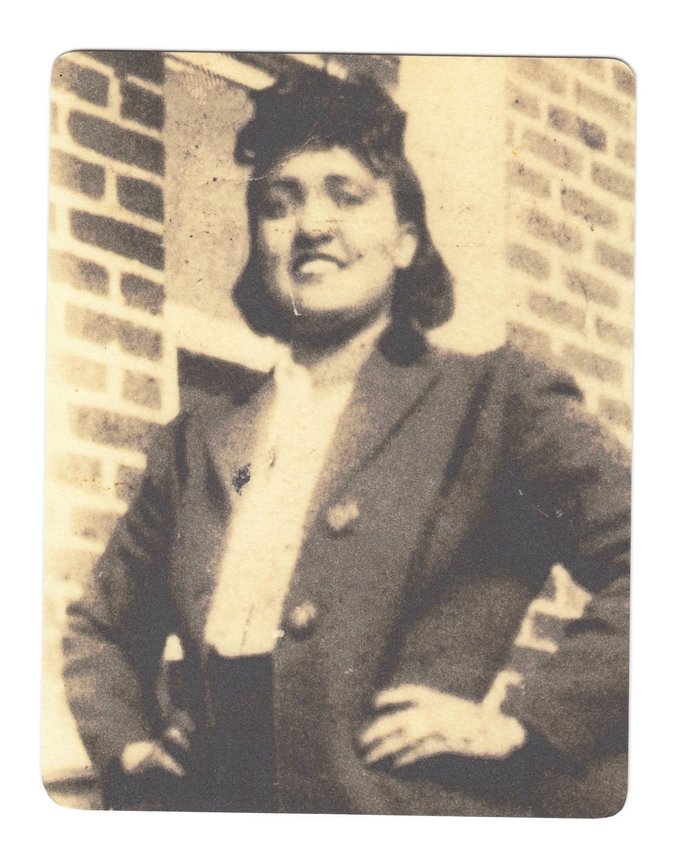
Next up is a decades-old legal battle that could shake up medical research. In 1951, Henrietta Lacks was losing her battle with cervical cancer in the segregated section of Johns Hopkins Hospital. Cells from her body were taken without her consent and were the first ever human cells to be reproduced in a lab. Over the next 60+ years, her cells (HeLa cells) were cited in 110,000 studies by the NIH. Henrietta's cells have been involved in research to fight polio, cancer, Parkinson's, and Covid-19. Last month, Henrietta's family reached a settlement with Novartis on the grounds that they have been profiting off of their ancestors' cells, while knowing they were stolen. How might this change the way biotech companies do their research? Could this create an industry of cell providers? How many people are like Henrietta, biological material taken without their consent, with lucrative science built on top of that theft? We are about to find out.
A 144-Year Vision Finally Reaches a Milestone

Finally, we conclude with a 144-year-old project that just hit a major milestone. The exterior of Antoni Gaudí's Sagrada Familia cathedral is complete. It is the world's tallest church and represents something truly rare in today's world: a multi-generational project. Allow us to briefly make the case for taking an extremely long time to build something. What is perhaps so stunning about the cathedral is Gaudí's ability to put forward a vision that has captivated people for more than a century, not just as bystanders, but as collaborators. In the world of innovation, corporations are thinking in terms of quarterly reports, maybe 5-year plans. VC's are planning for institutions that might take a decade to truly blossom, but they are certainly hoping for an exit significantly earlier than that. Many social entrepreneurs are thinking in terms of grant cycles. Gaudí and his collaborators over the years were thinking about eternity. When Gaudí's ambitions were questioned, he apparently joked, "My client is not in a hurry." If you were building something that you believed would be here 144 years from now, what would you do differently?
Photo Credits: Carbon Robotics, Henrietta Lacks Foundation/Associated Press, Piotr Zajac / NurPhoto via Getty Images